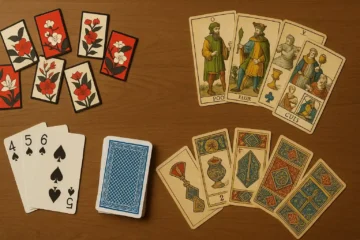
Ultimate Guide to Card Games: Types, Rules, and Strategies

Introduction
Card games have been a source of entertainment, social interaction, and strategic thinking for centuries. From casual family gatherings to competitive tournaments, card games offer something for everyone, combining luck, skill, and mental agility. The versatility of card games is reflected in the wide variety of types, rules, and strategies, making them a timeless pastime worldwide. This comprehensive guide explores different kinds of card games, their origins, gameplay, strategies, and tips for both beginners and experienced players.
History of Card Games
The origins of card games trace back to ancient China around the 9th century, where early paper cards were used for gambling and recreational purposes. By the 14th century, card games had spread to Europe, evolving into familiar suits and deck structures. Over time, distinct games such as Poker, Bridge, Rummy, and Solitaire emerged, each with unique rules and cultural significance. Card games not only served as entertainment but also as tools for socialization, strategy development, and even education.
Types of Card Games
Card games can be broadly classified into several categories based on objectives, rules, and gameplay mechanics:
1. Trick-Taking Games
Trick-taking games involve players competing to win “tricks” or rounds. Common examples include Bridge, Spades, and Hearts. Players aim to predict and capture specific cards to score points. Strategy often involves memory, probability, and anticipating opponents’ moves.
2. Matching Games
Matching games require players to pair cards based on rank, suit, or other attributes. Popular examples include Rummy, Go Fish, and Mahjong-style card adaptations. These games emphasize pattern recognition, planning, and sometimes bluffing skills.
3. Shedding Games
In shedding games, the objective is to discard all cards before opponents. Examples include Uno, Crazy Eights, and President. Strategy often revolves around managing card sequences and anticipating opponents’ plays.
4. Solitaire and Patience Games
These single-player games focus on arranging cards according to specific rules to achieve a completed sequence or layout. Classic examples include Klondike, FreeCell, and Spider Solitaire. Solitaire games enhance concentration, patience, and logical thinking.
5. Casino and Gambling Card Games
These card games are played for money or points in gambling settings, often combining luck with strategic betting. Examples include Poker, Blackjack, Baccarat, and Texas Hold’em. Players must understand odds, probability, and psychology to improve their chances of winning.
Popular Card Game Decks
Most card games utilize standard decks, although variations exist:
1. Standard 52-Card Deck
- Four suits: Hearts, Diamonds, Clubs, Spades
- Each suit has 13 cards (Ace through King)
- Used in games like Poker, Rummy, Solitaire, and Blackjack
2. Pinochle Deck
- Contains 48 cards, often two sets of 9–Ace
- Commonly used in Pinochle and similar trick-taking games
3. Tarot Deck
- 78 cards including major and minor arcana
- Used for both traditional card games and divination practices
4. Custom Decks
- Designed for games like Uno, Magic: The Gathering, and Cards Against Humanity
- Often include unique mechanics, rules, and illustrations
Card Game Rules and Objectives
While rules vary widely, most card games share certain elements:
- Turns: Players take turns performing specific actions such as drawing, discarding, or playing cards.
- Objectives: Winning conditions vary from accumulating points, capturing cards, discarding all cards, or achieving specific card combinations.
- Scoring Systems: Points may be awarded for tricks, matched sets, sequences, or betting outcomes, depending on the game.
- Penalties and Fouls: Many card games impose penalties for rule violations, such as illegal plays, incorrect card declarations, or breaking turn order.
Strategies for Card Games
Card games require a mix of luck, skill, and strategic planning. Effective strategies differ by game type:
1. Memory and Observation
- Track cards played by opponents to anticipate future moves.
- Remember sequences or discarded cards in trick-taking and matching games.
2. Probability Assessment
- Calculate the likelihood of drawing specific cards or combinations.
- Estimate odds to make informed decisions in games like Poker or Blackjack.
3. Bluffing and Psychological Tactics
- In competitive card games, bluffing can manipulate opponents’ expectations.
- Reading opponents’ behavior and tendencies improves strategic play.
4. Hand Management
- Manage the number and type of cards held to maintain flexibility.
- Plan moves ahead, especially in shedding and matching games.
5. Practice and Familiarity
- Understanding rules thoroughly enhances decision-making.
- Frequent play helps recognize patterns, optimize strategies, and reduce mistakes.
Card Games in Modern Technology
Digital platforms have transformed card gaming:
- Online Multiplayer: Games like Poker, Bridge, and Rummy allow real-time competition worldwide.
- Mobile Applications: Convenient gameplay on smartphones with interactive tutorials and AI opponents.
- Virtual Reality and AR Games: Immersive experiences replicating physical card tables and casino environments.
- AI Training Tools: Advanced programs simulate hands, providing practice and strategy improvement for players.
Benefits of Playing Card Games
Playing card games offers mental, social, and emotional advantages:
- Cognitive Skills: Enhances memory, concentration, and problem-solving abilities.
- Social Interaction: Encourages bonding, communication, and teamwork in multiplayer settings.
- Stress Relief: Provides entertainment and relaxation, offering a break from daily routines.
- Strategic Thinking: Encourages planning, probability assessment, and decision-making under uncertainty.
Card Game Etiquette
Proper etiquette ensures fair play and enjoyment for all participants:
- Respect turn order and game rules.
- Avoid revealing cards to opponents unless required.
- Refrain from distracting or cheating during gameplay.
- Maintain a positive attitude, whether winning or losing.
Responsible Card Game Practices
For gambling or competitive card games, maintaining responsible practices is crucial:
- Set time and money limits per session.
- Avoid chasing losses to prevent financial strain.
- Play on licensed and regulated platforms for fair and safe gameplay.
- Take regular breaks to maintain focus and enjoyment.
Conclusion
Card games are a rich and diverse form of entertainment that blend luck, skill, strategy, and social interaction. From classic games like Poker and Bridge to modern creations like Uno and digital simulations, card games offer endless opportunities for mental stimulation and fun. Understanding the rules, strategies, and etiquette enhances the playing experience, whether in casual settings, competitive tournaments, or online platforms. By practicing responsible gameplay and honing strategic skills, players can enjoy the enduring appeal of card games while improving their mental agility and social engagement.
FAQ Section
1. What are the most popular card games worldwide?
Poker, Bridge, Rummy, Solitaire, Blackjack, and Uno are among the most widely played card games globally.
2. Can card games improve cognitive skills?
Yes, card games enhance memory, concentration, problem-solving abilities, and strategic thinking.
3. Are card games suitable for all ages?
Most card games are family-friendly, but gambling-based card games should be restricted to adults.
4. How can I learn new card games effectively?
Start with the rules, practice with friends or online platforms, and study basic strategies to improve skill.
5. What is the difference between trick-taking and matching card games?
Trick-taking games involve winning rounds or tricks, while matching games focus on pairing or forming sets of cards.
6. Are online card games safe to play?
Playing on licensed and regulated platforms ensures fairness, security, and responsible play.
7. Can card games be played professionally?
Yes, tournaments in Poker, Bridge, and other competitive games offer professional opportunities and cash prizes.
8. What strategies can beginners use to improve in card games?
Focus on learning rules, observing opponents, practicing regularly, and applying basic strategies tailored to each game type.