Lottery Guide: How It Works, Understanding Odds, Choosing Numbers, and Playing Responsibly
Introduction
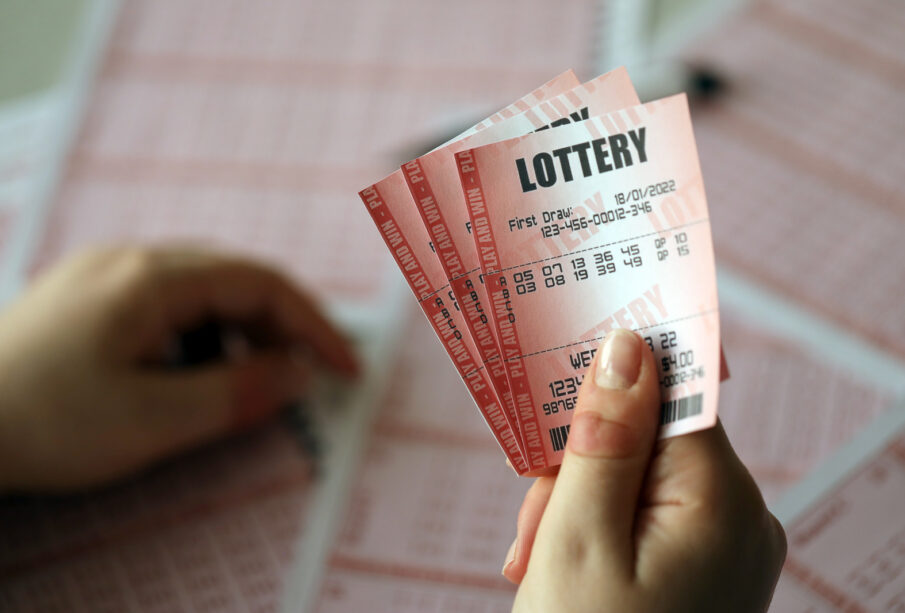
The lottery is a popular form of chance-based entertainment that has attracted attention for generations. The idea is simple: purchase a ticket or entry, wait for an official result, and see whether your numbers or ticket qualify for a prize.
Behind that simple process are important concepts such as probability, prize tiers, jackpot rollovers, random selection, and responsible spending. Understanding these elements can help beginners approach lottery games with realistic expectations rather than relying on myths or supposed prediction systems.
This guide explains how lottery games work, the major types, how odds are calculated, what number selection really means, and how to keep participation within sensible limits.
What Is a Lottery?
A lottery is a game of chance in which participants purchase tickets or entries for an opportunity to win prizes.
Traditional number lotteries usually involve selecting numbers from a predefined range. An official draw then determines the winning combination.
Other formats may use:
- Ticket numbers
- Scratch panels
- Symbols
- Randomly assigned entries
- Instant results
The rules differ between games, but the outcome is generally determined by chance rather than by a player’s skill.
How Does a Lottery Work?
A typical lottery follows a series of simple steps.
1. Choose a Lottery
Players select a game based on factors such as ticket price, prize structure, number range, and draw schedule.
2. Select Numbers or Receive an Entry
Depending on the game, players may choose their own numbers or receive a randomly generated combination.
3. Purchase the Ticket
The selected entry is recorded on a ticket or approved digital system where available.
4. Wait for the Official Draw
The lottery operator conducts the draw according to its established procedures.
5. Compare the Results
Players check their ticket against the official winning numbers or results.
6. Claim Any Eligible Prize
Winning tickets must normally be claimed within the specified time and through the appropriate process.
Different Types of Lottery Games
The lottery category includes several different formats.
Number Draw Games
Players choose a set of numbers from a defined range and wait for a scheduled drawing.
Jackpot Games
These lotteries offer a large top prize. If no qualifying ticket wins the jackpot, the prize may roll over to a future draw.
Scratch Tickets
Scratch games reveal symbols or numbers when covered areas are removed. The result is generally available immediately.
Raffle Games
Raffle-style lotteries use individual ticket numbers or entries and select winners from the eligible pool.
Instant-Win Games
These games provide a result without requiring players to wait for a later drawing.
Each format has its own rules, odds, and prize structure.
Understanding Lottery Odds
Lottery odds describe the likelihood of a particular outcome.
Consider a fictional game where a player must select six numbers from 49.
The total number of possible combinations is:
13,983,816
Therefore, one specific six-number combination has a probability of approximately:
1 in 13,983,816
of matching the complete winning combination in one draw.
This example shows why large lottery jackpots are difficult to win.
Probability is not a countdown. If a particular combination has not appeared recently, it does not become guaranteed to appear in the future.
Why Lottery Draws Are Random
Lottery operators use procedures designed to select winning results randomly according to the game’s rules.
Depending on the particular lottery, this may involve physical drawing equipment or approved electronic systems.
The purpose is to prevent participants from knowing the result in advance and to give valid combinations the appropriate probability.
Because of this, previous results normally cannot be used to reliably predict the next draw.
Choosing Lottery Numbers
Players typically have two main options: selecting their own numbers or using random selection.
Personal Number Selection
Some players choose numbers based on:
- Birthdays
- Anniversaries
- Favorite numbers
- Important dates
- Family events
- Personal memories
This approach can make the ticket more meaningful.
However, personal significance does not change mathematical probability.
Random Number Selection
A random selection system can generate numbers automatically.
This is convenient for players who do not have preferred combinations.
When all valid combinations have equal probability, a randomly generated combination has the same chance of winning as a manually selected combination.
Can Lottery Numbers Be Predicted?
There is no reliable method for predicting the winning numbers of a properly random lottery.
Some people analyze previous results to identify:
- Frequently drawn numbers
- Numbers that have appeared less often
- Repeated combinations
- Odd and even distributions
- Consecutive numbers
- Historical patterns
These observations may be interesting, but they do not provide a dependable prediction for the next independent draw.
For example, if 18 has not appeared for several draws, it does not become mathematically due.
Likewise, if 18 appeared in the previous drawing, it does not automatically become less likely to appear again.
The Role of Probability
Probability can sometimes produce results that look unusual.
For example, a draw could produce several consecutive numbers. Some players might assume that such a result is less likely because it looks unusual.
However, if that combination is valid under the game’s rules, it remains one of the possible outcomes.
Random events do not have to produce results that “look random” to people.
Understanding Lottery Prize Tiers
Many lotteries offer multiple prize categories.
A fictional game might provide:
Jackpot Prize
For matching the entire required combination.
Second-Level Prize
For matching most of the required numbers.
Smaller Prize
For achieving a lower qualifying match.
Bonus Prize
For meeting an additional condition involving a bonus number or special feature.
The exact prize categories vary between lottery games.
Reading the official rules is important because matching numbers does not automatically tell you how much a ticket is worth.
What Is a Jackpot Rollover?
A jackpot rollover occurs when the top prize is not won and is carried into a later draw.
For example:
Draw One: No jackpot winner.
Draw Two: Jackpot increases.
Draw Three: Jackpot remains available with a larger advertised amount.
This can make the lottery more attractive to participants.
However, a larger jackpot does not necessarily improve the odds of matching the winning numbers.
Simple Lottery Example
Imagine a fictional lottery where players choose four numbers from 1 to 20.
A player selects:
4, 8, 13, 19
The official draw produces:
4, 8, 13, 19
The player has matched all four numbers and qualifies for the top prize according to the fictional rules.
Now imagine another ticket contains:
4, 8, 11, 17
It matches two numbers.
If the lottery offers a prize for matching two numbers, that ticket may qualify for the smaller prize.
This example demonstrates how different prize categories can work.
Common Lottery Myths
“A Number Is Due”
A number that has not appeared recently is not automatically more likely to appear in the next draw.
“Hot Numbers Are Better”
A number that has appeared frequently in the past does not automatically have a higher probability in the future.
“Consecutive Numbers Cannot Win”
If consecutive numbers are valid under the lottery’s rules, they can be selected.
“A Special Pattern Means a Guaranteed Prize”
A visually interesting combination does not automatically qualify for a prize unless the official rules say so.
“A Secret System Can Guarantee Success”
There is no reliable number-selection method that guarantees a winning result in a genuinely random lottery.
Does Buying More Tickets Increase Your Chances?
Buying additional unique entries can increase the number of possible combinations you have covered.
For example, owning two different combinations gives you two entries rather than one.
However, additional tickets also increase spending.
Even with multiple entries, there is no guarantee that one will win the jackpot.
Players should therefore consider whether the additional cost fits within their predetermined entertainment budget.
Responsible Lottery Participation
Lottery games should be treated as entertainment rather than a dependable source of income.
Set a Clear Budget
Decide how much you can afford to spend before purchasing tickets.
Keep Essential Money Separate
Lottery spending should never interfere with rent, food, bills, savings, education, or other necessary expenses.
Avoid Chasing Losses
A losing ticket does not mean you should purchase additional tickets to recover the money.
Understand the Odds
Knowing the actual probability helps prevent unrealistic expectations.
Take a Balanced Approach
Occasional participation within a fixed budget is generally easier to control than unplanned or escalating spending.
Lottery and Financial Planning
A lottery ticket should not replace normal financial planning.
Long-term financial goals are better supported by budgeting, saving, managing debt, and making informed financial decisions.
Lottery winnings are uncertain and cannot be relied upon for regular expenses.
Thinking of a ticket as entertainment spending rather than an investment can help maintain a healthier perspective.
Frequently Asked Questions
What is the lottery?
A lottery is a chance-based game in which people purchase tickets or entries for an opportunity to win prizes based on randomly determined results.
How are winning numbers selected?
The method depends on the lottery, but official draws are conducted using procedures designed to produce random results.
Can I predict the winning numbers?
There is no reliable system for predicting the outcome of a properly random lottery.
Are personal lucky numbers more likely to win?
No. A personally meaningful number does not have a mathematical advantage over another valid number.
Is random selection better?
Random selection is convenient, but it does not automatically provide better odds than choosing numbers manually.
What is a jackpot rollover?
It is a system in which an unclaimed top prize carries forward to a later drawing and may increase.
Can more than one person win the jackpot?
Yes. If multiple tickets meet the top prize requirements, the prize may be shared according to the lottery’s rules.
Does buying more tickets guarantee a prize?
No. More tickets can cover more combinations, but there is no guarantee of winning.
Can past lottery results predict future results?
No. Past results may be reviewed for interest, but they do not reliably predict an independent future draw.
Is lottery participation an investment?
No. Lottery tickets should generally be considered entertainment expenses rather than investments.
Conclusion
The lottery is easy to participate in, but understanding its mathematics is important for maintaining realistic expectations. Winning combinations are selected through random processes, and no lucky number, historical pattern, or secret formula can guarantee a jackpot.
Players can choose personal numbers or use random selections. Both approaches can be equally valid when the combinations have the same probability under the game’s rules.
The most responsible way to approach lottery games is to understand the ticket cost, odds, prize structure, and applicable rules before participating. Set a fixed budget, avoid chasing losses, and remember that a lottery ticket represents a chance at a prize rather than a dependable financial opportunity.