Lottery: A Complete Guide to How It Works, Odds, Types, and Responsible Play
Introduction
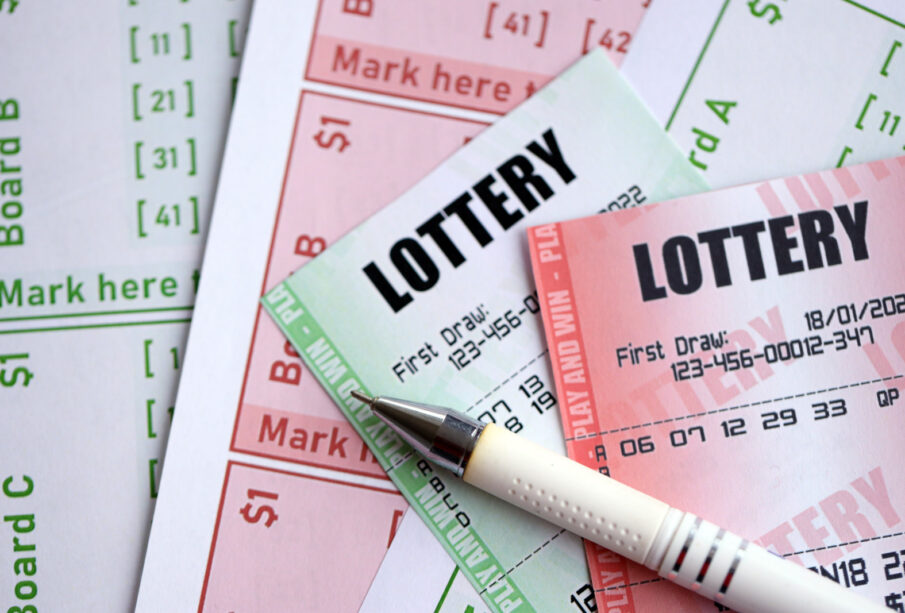
The lottery is a popular form of chance-based entertainment that has attracted attention for generations. The idea is simple: purchase a ticket or entry, wait for an official result, and see whether your numbers or ticket qualify for a prize.
Behind that simple process are important concepts such as probability, prize tiers, jackpot rollovers, random selection, and responsible spending. Understanding these elements can help beginners approach lottery games with realistic expectations rather than relying on myths or supposed prediction systems.
This guide explains how lottery games work, the major types, how odds are calculated, what number selection really means, and how to keep participation within sensible limits.
What Is a Lottery?
A lottery is a game of chance in which participants purchase tickets or entries for an opportunity to win prizes.
Traditional number lotteries usually involve selecting numbers from a predefined range. An official draw then determines the winning combination.
Other formats may use:
- Ticket numbers
- Scratch panels
- Symbols
- Randomly assigned entries
- Instant results
The rules differ between games, but the outcome is generally determined by chance rather than by a player’s skill.
How Does a Lottery Work?
A typical lottery follows a series of simple steps.
1. Choose a Lottery
Players select a game based on factors such as ticket price, prize structure, number range, and draw schedule.
2. Select Numbers or Receive an Entry
Depending on the game, players may choose their own numbers or receive a randomly generated combination.
3. Purchase the Ticket
The selected entry is recorded on a ticket or approved digital system where available.
4. Wait for the Official Draw
The lottery operator conducts the draw according to its established procedures.
5. Compare the Results
Players check their ticket against the official winning numbers or results.
6. Claim Any Eligible Prize
Winning tickets must normally be claimed within the specified time and through the appropriate process.
Can Previous Lottery Results Predict the Future?
Previous results can be interesting to review, but they cannot reliably predict a future independent draw.
Suppose the number 21 has appeared several times recently.
That does not automatically mean 21 is more likely to appear again.
Now imagine that 21 has not appeared for many drawings.
It does not become “due” simply because it has been absent.
This is an important principle of probability and can help players avoid common misconceptions.
What Are Hot and Cold Numbers?
Players sometimes describe frequently appearing numbers as “hot” and numbers that have appeared less often as “cold.”
These labels can be useful when discussing historical results, but they do not create a reliable prediction method.
A number’s past frequency does not automatically change its probability in a future independent draw.
Therefore, choosing hot or cold numbers is a personal approach rather than a proven way to improve lottery results.
Understanding Lottery Prize Tiers
Many lottery games offer multiple prize levels instead of requiring players to match every number.
For example, a fictional game could provide:
Jackpot Prize
Match all required numbers.
Second Prize
Match nearly all required numbers.
Smaller Prize
Match a lower number of qualifying numbers.
Bonus Prize
Meet an additional condition involving a bonus number or special feature.
The exact structure depends on the individual lottery.
Players should always understand the prize table before participating.
Lottery games are built around a simple idea, but their probabilities deserve careful attention. Choosing numbers and buying a ticket may take only a few minutes, yet the chance of winning a major jackpot can be extremely small.
There is no magic combination, guaranteed number system, or reliable prediction method for a properly random draw. Personal numbers and random selections can both be valid choices, while historical results do not make numbers more or less “due.