Lottery: A Beginner’s Guide to Draws, Tickets, Odds, Prizes, and Smart Play
Introduction
The lottery is a familiar form of chance-based entertainment that attracts people with the possibility of winning a significant prize from a relatively small entry. While purchasing a ticket and checking the results may seem simple, understanding how lottery games operate can help beginners develop realistic expectations.
Different lotteries use different rules, number ranges, prize structures, and drawing methods. Some require players to select numbers, while others provide random entries. There are also instant games, scratch tickets, raffles, and jackpot-based formats.
This guide explains the essential aspects of lottery games, including how draws work, how odds are calculated, what number selection really means, and how to participate responsibly.
What Is a Lottery?
A lottery is a chance-based game in which people purchase tickets or entries for the opportunity to win prizes.
In a traditional number lottery, participants select a specific number of numbers from a larger pool. An official draw then determines the winning combination.
For example, a fictional lottery could ask players to select five numbers from 1 to 40. If the official draw produces the same five numbers, the ticket could qualify for the top prize under the game’s rules.
Other lottery games may use ticket numbers, symbols, or instant results rather than traditional number selection.
How Does a Lottery Work?
Most lotteries follow a basic process.
Choose a Lottery Game
The first step is selecting a particular lottery. Players should consider the ticket cost, draw frequency, number range, prize structure, and eligibility requirements.
Select Numbers or an Entry
Depending on the game, participants can select their own numbers or receive a randomly generated combination.
Purchase a Ticket
The selected entry is recorded on a ticket or an authorized digital system where applicable.
Wait for the Draw
The lottery operator conducts an official draw according to its established procedures.
Check the Results
Players compare their ticket with the published results.
Claim a Prize
If the ticket qualifies for a prize, the winner must follow the relevant claim process and deadline.
Different Types of Lottery Games
The lottery category includes several formats.
Number Draw Lottery
Players select numbers from a specified range and wait for an official drawing.
Jackpot Lottery
These games feature a large top prize. Some use rollover systems that allow the jackpot to increase when there is no qualifying winner.
Scratch Tickets
Scratch games reveal numbers, symbols, or prize information when covered sections are removed.
Raffle Lottery
A raffle can use individually numbered tickets or entries, with winners selected from the eligible pool.
Instant-Win Games
Instant games provide a result without requiring participants to wait for a scheduled drawing.
Each format has its own rules and probability structure, so one lottery should not automatically be compared with another.
Understanding Lottery Tickets
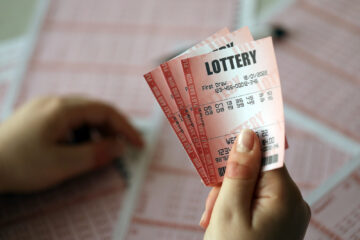
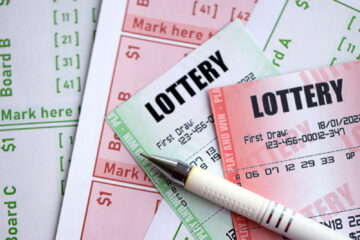
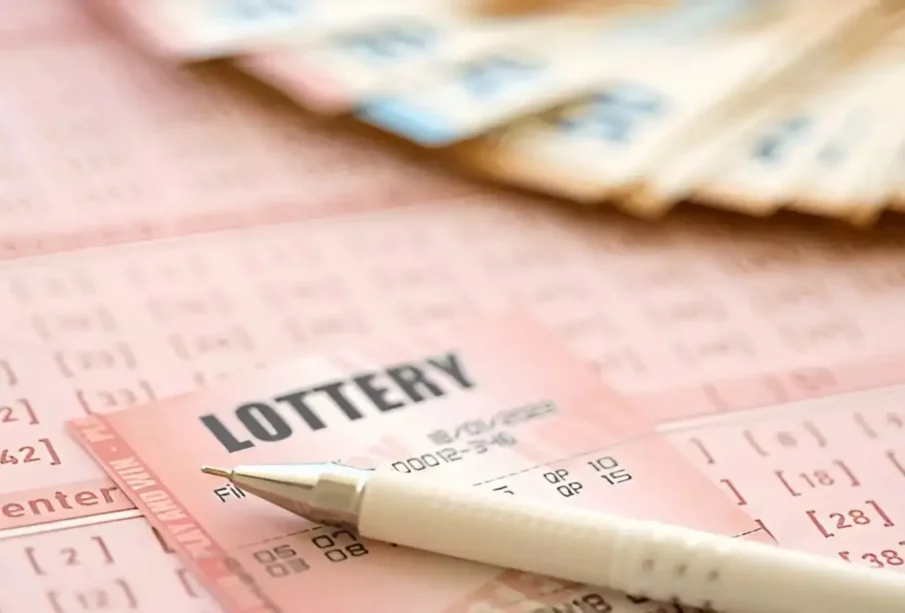
A lottery ticket can contain important information beyond the chosen numbers.
Depending on the game, it may include:
- Draw date
- Selected numbers
- Ticket identification
- Game name
- Barcode
- Purchase information
- Special numbers or symbols
Players should check the ticket carefully after purchasing it and keep it secure until the results are confirmed.
How Lottery Odds Are Calculated
Lottery odds depend on the number of possible combinations.
Imagine a fictional lottery that requires six numbers to be selected from 49.
There are 13,983,816 possible six-number combinations.
Therefore, one particular combination has a probability of approximately 1 in 13,983,816 of matching all six numbers in a single draw.
This illustrates why winning a large jackpot can be extremely difficult.
The important point is that probability is not a countdown. If a combination has not appeared recently, it does not become guaranteed to appear soon.
Why Every Valid Combination Can Win
Some combinations may look more “random” than others.
For example:
1, 2, 3, 4, 5, 6
looks very organized.
Another combination such as:
7, 18, 24, 31, 42, 48
looks more random.
If both are valid combinations in the same lottery and all combinations have equal probability, neither has a mathematical advantage.
The appearance of a combination does not determine its probability.
Choosing Your Own Lottery Numbers
Many players enjoy selecting their own numbers.
They may use:
- Birth dates
- Anniversaries
- Favorite numbers
- Important life events
- Sports numbers
- Family-related numbers
This can make playing more personal.
However, a meaningful number is not statistically more likely to be drawn than another valid number.
Personal selection is mainly a matter of preference.
Using Random Number Selection
Players who do not want to choose numbers manually can use a random selection option where available.
This can save time and remove the pressure of deciding which numbers to pick.
If all valid combinations are equally likely, a randomly generated combination has the same probability of being drawn as a manually selected combination.
The advantage is convenience rather than improved odds.
Can Previous Lottery Results Predict the Future?
Previous results can be interesting to review, but they cannot reliably predict a future independent draw.
Suppose the number 21 has appeared several times recently.
That does not automatically mean 21 is more likely to appear again.
Now imagine that 21 has not appeared for many drawings.
It does not become “due” simply because it has been absent.
This is an important principle of probability and can help players avoid common misconceptions.
What Are Hot and Cold Numbers?
Players sometimes describe frequently appearing numbers as “hot” and numbers that have appeared less often as “cold.”
These labels can be useful when discussing historical results, but they do not create a reliable prediction method.
A number’s past frequency does not automatically change its probability in a future independent draw.
Therefore, choosing hot or cold numbers is a personal approach rather than a proven way to improve lottery results.
Understanding Lottery Prize Tiers
Many lottery games offer multiple prize levels instead of requiring players to match every number.
For example, a fictional game could provide:
Jackpot Prize
Match all required numbers.
Second Prize
Match nearly all required numbers.
Smaller Prize
Match a lower number of qualifying numbers.
Bonus Prize
Meet an additional condition involving a bonus number or special feature.
The exact structure depends on the individual lottery.
Players should always understand the prize table before participating.
What Is a Jackpot Rollover?
A rollover occurs when the top prize is carried forward to a future draw because no qualifying ticket wins the jackpot.
For example:
First draw: No jackpot winner.
Second draw: Larger jackpot.
Third draw: Jackpot increases again if there is still no qualifying winner.
This can cause significant public interest.
However, a larger jackpot does not automatically mean that an individual ticket has better odds of matching the winning combination.
Lottery Example
Imagine a fictional lottery where players select four numbers from 1 to 25.
A player chooses:
3, 8, 14, 22
The official draw produces:
3, 8, 14, 22
The ticket matches all four numbers and qualifies for the top prize under the game’s rules.
Now consider another ticket:
3, 8, 11, 19
It matches two numbers.
If the lottery offers a prize for two matching numbers, this ticket could qualify for the relevant lower prize.
The example demonstrates why knowing the prize categories is important.
Common Lottery Myths
Myth 1: A Number That Has Been Missing Is Due
A number does not become more likely simply because it has not appeared recently.
Myth 2: A Number That Appeared Recently Should Be Avoided
A previous appearance does not automatically make a number less likely in the next independent draw.
Myth 3: Consecutive Numbers Cannot Win
If consecutive numbers are valid under the rules, they can be drawn just like any other valid combination.
Myth 4: A Certain Pattern Is Guaranteed to Work
No visual pattern guarantees a winning result in a random lottery.
Myth 5: More Tickets Guarantee a Jackpot
Additional entries can increase the number of combinations covered, but they cannot guarantee that one of those entries will win.
Does Buying More Tickets Increase Your Chance?
Yes, purchasing additional unique combinations can increase the number of possible outcomes covered.
However, the increase comes with additional spending.
For example, one unique ticket gives one combination. Ten unique tickets provide ten combinations.
That does not mean the player is guaranteed to win.
The financial cost should always be considered before purchasing additional entries.
Responsible Lottery Participation
The lottery should be treated as entertainment rather than a reliable source of income.
Set a Budget
Decide how much you can afford to spend before purchasing tickets.
Avoid Essential Spending
Do not use money needed for housing, food, utilities, education, debt payments, or other essential costs.
Do Not Chase Losses
A losing ticket does not mean you should buy additional tickets to recover the money.
Understand the Odds
Knowing the actual probability of winning helps prevent unrealistic expectations.
Keep Participation Controlled
A fixed entertainment budget can help prevent occasional participation from turning into excessive spending.
Lottery and Financial Goals
Lottery winnings should never be treated as part of a dependable financial plan.
If someone is saving for a house, education, retirement, or emergency expenses, those goals should not depend on a possible lottery prize.
Savings and responsible financial planning provide more predictable paths toward long-term goals.
The lottery offers an uncertain opportunity rather than guaranteed financial growth.
How to Check a Lottery Ticket
Players should take a few simple steps after purchasing a ticket.
Keep the Ticket Safe
Avoid losing or damaging the ticket before the results are known.
Check the Correct Draw
Make sure the ticket is being compared with the correct date and game.
Use Official Results
Always verify winning information through an authorized source or approved lottery channel.
Check the Claim Deadline
Winning tickets may have specific deadlines for claiming prizes.
Follow the Required Procedure
Prize claims can involve identification, ticket verification, or other requirements depending on the rules.
Frequently Asked Questions
What is a lottery?
A lottery is a chance-based game in which participants purchase tickets or entries for an opportunity to win prizes.
How are lottery winners selected?
Winners are determined according to the lottery’s official drawing or selection process.
Can I predict lottery numbers?
There is no reliable method for predicting the winning numbers of a properly random lottery.
Are lucky numbers actually better?
No. Personal lucky numbers may be meaningful, but they do not have a mathematical advantage.
Is random selection better than choosing numbers myself?
Neither method has an inherent advantage when every valid combination has equal probability.
What is a jackpot rollover?
It is a system in which an unclaimed top prize carries forward to a later drawing and may increase.
Can several people win the same jackpot?
Yes. The rules may require a shared prize when multiple tickets qualify for the same top prize.
Does buying more tickets guarantee success?
No. More tickets can increase the number of combinations covered, but winning remains uncertain.
Are lottery results affected by previous draws?
In a properly independent random draw, previous results do not determine the next result.
Is the lottery a good way to make money?
No. Lottery participation should be considered entertainment spending rather than a dependable income strategy.
Conclusion
Lottery games are built around chance, making them simple to participate in but difficult to predict. Understanding how tickets, drawings, prize categories, and probability work can help beginners make better-informed decisions.
Choosing personal numbers and using random selections are both reasonable options when all valid combinations have equal probability. There is no dependable system based on hot numbers, cold numbers, previous results, or visual patterns that can guarantee a winning combination.
The most practical approach is to understand the specific lottery, learn its odds and prize structure, protect your ticket, and set a firm spending limit. Treating the lottery as occasional entertainment rather than a financial plan keeps expectations realistic and helps make participation more responsible.